If you want a home that puts restaurants, parks, entertainment, and daily conveniences closer to your front door, condo living in Orlando can be appealing fast. At the same time, buying a condo in an urban neighborhood comes with a different set of costs and questions than buying a single-family home. This guide will help you understand where Orlando’s urban condo lifestyle tends to shine, what daily life can look like, and what to review before you buy. Let’s dive in.
Why Orlando Condo Living Stands Out
Orlando’s urban condo lifestyle is not limited to one small downtown pocket. The city’s condo-friendly areas cluster around Downtown Orlando and nearby Main Street districts, giving you several different ways to enjoy a more connected, amenity-rich lifestyle.
In practical terms, that means you can look beyond a single skyline view or high-rise building. You may find the right fit in a lively entertainment district, a park-adjacent neighborhood, or a mixed-use area that keeps work, dining, and errands closer together.
Where Urban Condo Buyers Look
Several Orlando neighborhoods stand out for condo buyers who want access to downtown energy and a more walkable routine. Each area offers a slightly different feel, which can make your lifestyle match just as important as the unit itself.
City District
City District sits in the heart of Orlando’s Central Business District. The city highlights it for nightlife, entertainment, and major venues, which makes it a natural fit if you want to be close to downtown activity and a more active social scene.
If your ideal home base includes quick access to events, restaurants, and the core of downtown, this area may deserve a close look. It is one of the clearest examples of urban condo living with a true city-center feel.
Thornton Park
Thornton Park is known as a colorful, walkable district centered on Lake Eola. The city also points to its commercial district and more than 60 locally owned shops and dining spots, which helps explain why many buyers are drawn to the area.
If you picture condo living with tree-lined streets, local businesses, and easy access to one of Orlando’s best-known public spaces, Thornton Park often checks those boxes. For many buyers, it blends convenience with a strong neighborhood feel.
SoDo
SoDo is a business district located within one mile of Downtown Orlando. The area is also associated with proximity to Orlando Health, older neighborhoods, lakes, and mixed-use redevelopment.
That mix can appeal if you want to stay close to central Orlando without being in the middle of the busiest downtown blocks. Depending on the property, SoDo may offer a more practical, everyday pace while still keeping the urban core nearby.
Ivanhoe Village
Ivanhoe Village sits on the north edge of downtown and is often described as eclectic, artsy, and indie. For condo buyers, that can translate into a setting with distinct local character and a less conventional feel than the central business district.
If you want a neighborhood that feels creative and established, Ivanhoe Village may be worth comparing against downtown towers or newer mixed-use communities. It offers another version of urban living that is close in, but not identical to the downtown core.
Mills 50
Mills 50 is known for its cultural identity and strong dining scene. Buyers who want easy access to local businesses and a neighborhood with a clear sense of place often add it to their search.
For condo living, that can mean prioritizing location and daily experiences over a traditional suburban layout. If your routine revolves around dining out, meeting friends nearby, and enjoying a connected neighborhood setting, Mills 50 may stand out.
Lake Eola’s Pull on Condo Demand
Lake Eola Park plays a major role in downtown Orlando living. According to the city’s master plan, the park directly serves the Central Business District, South Eola, Thornton Park, parts of Lawsona/Fern Creek, and Lake Eola Heights within about a 10-minute walk.
That matters because downtown residents use the park as neighborhood green space, not just as a destination. If you want a condo that feels close to both city activity and outdoor recreation, the areas around Lake Eola often deliver that balance.
Events and recreation also help shape demand in this part of Orlando. For many buyers, living near Lake Eola means having one of the city’s best-known public spaces built into everyday life.
What Daily Condo Life Can Look Like
One of the biggest lifestyle draws of an urban Orlando condo is the chance to rely less on your car. The city highlights LYMMO as a fare-free circulator serving downtown restaurants, retail, entertainment, offices, and services.
The Downtown Loop is intended to connect more than a dozen neighborhoods, and the city also points to SunRail, bike lanes, and micromobility as part of the downtown transportation network. SunRail’s LYNX Central Station is centrally located and connected to the regional bus network.
For you, that can mean more flexibility in how you move through the day. Depending on where you buy, condo living may support a routine built around walking, transit, biking, and only limited driving for errands or commuting.
What You May Get With a Condo
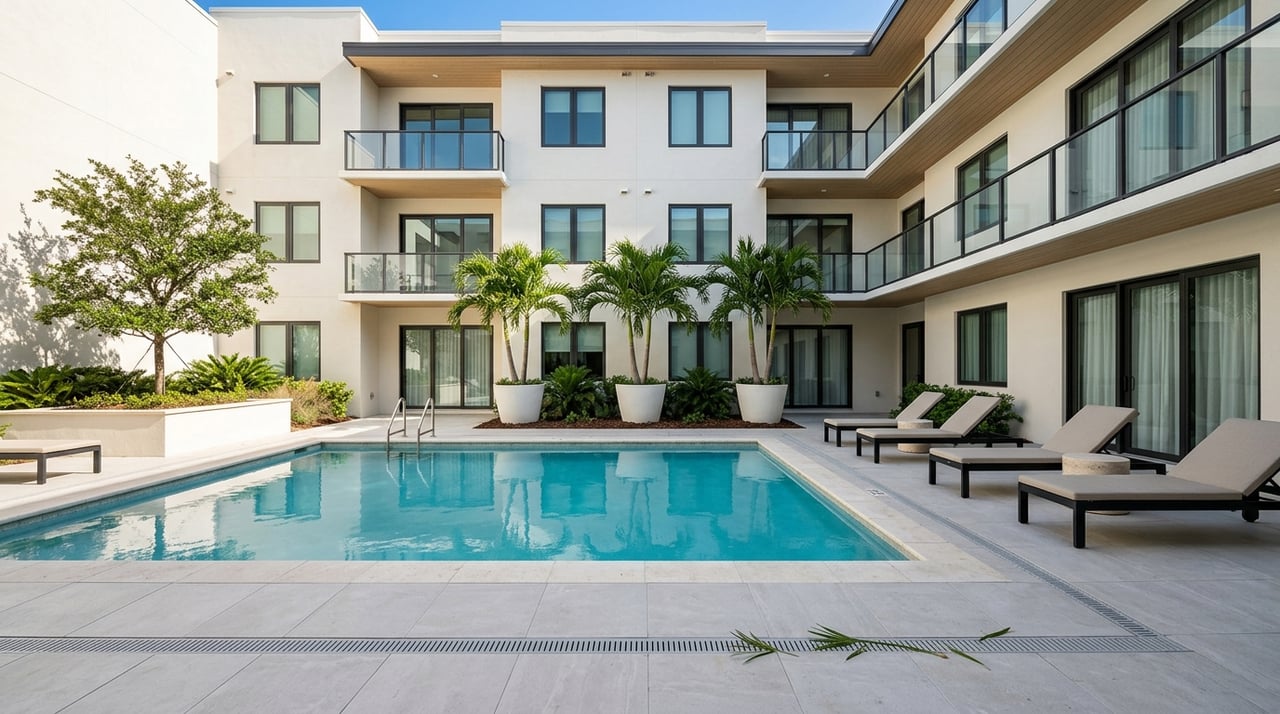
Many buyers choose a condo because they want less hands-on exterior maintenance and more shared amenities. Condo communities commonly include features like secure building access, fitness centers, party rooms, or walking trails.
That tradeoff can make day-to-day living feel simpler. Instead of maintaining a yard or handling exterior upkeep on your own, you share responsibility for common property through the association.
Still, amenities vary widely from one building to another. A newer urban building may offer a very different experience from a smaller mid-rise or a more established community, so it is smart to compare what you are actually paying for.
Understanding Monthly Condo Costs
Sticker price is only part of the picture with a condo. In addition to your mortgage, you will likely pay condo or HOA dues, and those dues are usually separate from the mortgage payment.
Monthly assessments help cover maintenance of communal property and amenities. In some properties, they may also cover select utilities, but the amount can vary widely from a few hundred dollars per month to more than $1,000 depending on the property.
That is why condo affordability is about more than the purchase price. A unit that looks attractive upfront may feel very different once you factor in dues, insurance, parking, and the building’s longer-term repair needs.
Orlando Market Pricing Context
Recent Orlando-area data gives useful context if you are comparing condos to other property types. The Orlando Regional REALTOR Association reported that the overall median home price reached $385,000 in its 2025 annual recap, while condo sales fell 11.8% year over year.
In ORRA’s April 2026 market snapshot, condos, townhomes, and villas posted a median sale price of $312,052. The broader market also remained below a balanced six-month supply level.
For buyers, this reinforces an important point. Attached housing in Orlando can offer a different entry point than the overall market, but value should always be weighed alongside dues, insurance, and building condition.
Florida Condo Rules Matter More Now
If you are buying a condo in Orlando, Florida’s condo laws deserve close attention. The Florida Department of Business and Professional Regulation says the state has passed multiple condo reform bills that increased focus on structural safety, reserves, inspections, and disclosure.
These changes include structural integrity reserve studies for buildings three stories or higher, milestone inspections for certain buildings, and stronger recordkeeping obligations. The agency also says inspection reports and reserve studies must be part of the association’s official records and made available to potential buyers.
This is one of the biggest reasons condo buying today requires a careful review process. You are not just choosing a floor plan and location. You are also stepping into a shared financial and maintenance structure.
Why Reserves and Assessments Deserve Attention
Florida’s reserve rules can directly affect your budget. DBPR explains that for budgets adopted on or after December 31, 2024, associations subject to structural integrity reserve study requirements may not waive reserves for the required structural items.
In simple terms, major building systems and long-term repairs have to be planned for more carefully than in the past. If a building has aging roofs, waterproofing issues, mechanical systems, or other major shared components, those realities may show up in higher dues or special assessments.
That does not automatically make an older condo a poor choice. It simply means you should understand whether the building’s funding and planning feel reasonable and sustainable for you.
Documents to Review Before You Buy
Before you move forward on an Orlando condo, the association documents deserve real attention. DBPR’s guidance says key records include the declaration, bylaws, rules, meeting minutes, insurance policies, accounting records, and any structural integrity reserve study.
These documents help you understand how the association is governed and funded. They can also give you insight into recurring issues, planned repairs, rule enforcement, and the building’s financial health.
For many buyers, this review is where the real story of the property starts to come into focus. A well-located unit can still be a weak fit if the association’s finances, maintenance planning, or rules do not align with your comfort level.
Insurance Basics for Florida Condo Owners
Insurance is another detail that can affect your total monthly cost. The Florida Department of Financial Services explains that condo unit owners generally need an HO-6 policy, while the association’s master policy covers common areas and other shared elements.
Florida guidance also says the unit-owner policy must include at least $2,000 of loss-assessment coverage with a deductible no higher than $250. This matters because you may still face out-of-pocket costs tied to covered losses that affect shared parts of the property.
As you compare options, it helps to treat insurance as part of the condo’s full cost picture. A lower purchase price may not feel like a bargain if insurance and association-related expenses are much higher than expected.
Is an Orlando Urban Condo Right for You?
For many buyers, condo living in Orlando works best when convenience is the goal. If you want to be closer to downtown employers, dining, parks, entertainment, and services, a condo in one of Orlando’s urban neighborhoods can be a strong lifestyle fit.
It can also work well if you want less exterior maintenance and are comfortable sharing responsibility through an association. The key is making sure the lifestyle benefits are clear and that the building’s fees, reserves, rules, and condition feel manageable over the long term.
A smart condo search is not just about finding the right unit. It is about finding the right building, in the right neighborhood, with costs and governance that support the way you want to live.
If you are comparing condos in Downtown Orlando, Thornton Park, SoDo, Ivanhoe Village, Mills 50, or nearby urban neighborhoods, Holt Real Estate can help you evaluate pricing, location fit, and the details that matter before you buy.
FAQs
What does condo living in Orlando’s urban neighborhoods usually offer?
- Condo living in Orlando’s urban neighborhoods often offers proximity to downtown amenities, shared building features, and less exterior maintenance, but it also comes with monthly dues and association rules.
What are some of Orlando’s main urban condo areas?
- Orlando’s main urban condo-friendly areas include City District, Thornton Park, SoDo, Ivanhoe Village, and Mills 50, each with a different mix of walkability, dining, entertainment, and daily convenience.
Why is Lake Eola important for Orlando condo buyers?
- Lake Eola Park is a major downtown anchor that serves several nearby neighborhoods within about a 10-minute walk, giving many condo owners access to recreation, events, and neighborhood green space.
What costs should Orlando condo buyers plan for?
- Orlando condo buyers should plan for the purchase price, monthly condo or HOA dues, insurance, possible parking costs, and the potential impact of reserve funding or special assessments.
What Florida condo documents should buyers review before purchasing?
- Buyers should review the association’s declaration, bylaws, rules, meeting minutes, insurance policies, accounting records, and any structural integrity reserve study to better understand the building’s finances and governance.
What insurance does a Florida condo owner usually need?
- Florida condo unit owners generally need an HO-6 policy, while the association’s master policy typically covers common areas and shared elements.