If you want a Central Florida address that feels polished without feeling disconnected, Winter Park often rises to the top of the list. You may be looking for walkable shopping and dining, time on the water, or a neighborhood with lasting character and everyday convenience. This guide will help you understand what living in Winter Park is really like, from lifestyle and housing to culture and outdoor access, so you can decide whether it fits the way you want to live. Let’s dive in.
Why Winter Park Stands Out
Winter Park is a compact city in Orange County located about three miles north of Orlando. The city describes itself as a premier urban village, and that label makes sense when you look at its mix of brick streets, lakes, parks, shopping, dining, museums, and the presence of Rollins College. According to the City of Winter Park, that blend is a major part of the city’s identity.
The local profile also points to a community with staying power. The U.S. Census QuickFacts for Winter Park reports a 2024 population estimate of 30,835, an owner-occupied housing rate of 66.2%, and 83.3% of residents living in the same home one year ago. Those figures suggest a stable market where many residents choose to put down roots.
Everyday Life Around Park Avenue
For many people, the heart of Winter Park living is Park Avenue. City employment materials describe it as a downtown destination with more than 140 boutiques, sidewalk cafes, diverse dining options, museums, and year-round events. That means your weekend plans, dinner reservations, and casual strolls can all happen in the same walkable area.
Central Park sits right in the middle of the district and hosts well-known events like the Winter Park Sidewalk Art Festival and the Olde Fashioned 4th of July Celebration. The Saturday Farmers’ Market adds another regular reason to spend time downtown. Even the city’s Park Avenue Refresh project is designed to keep foot traffic moving so people can continue shopping and dining during improvements.
Winter Park’s lifestyle is not limited to one street, though. The city also highlights Hannibal Square and Winter Park Village as part of the broader shopping and neighborhood fabric, giving you more options for dining, errands, and local outings without losing that connected, street-level feel.
Lakeside Living Is A Real Perk
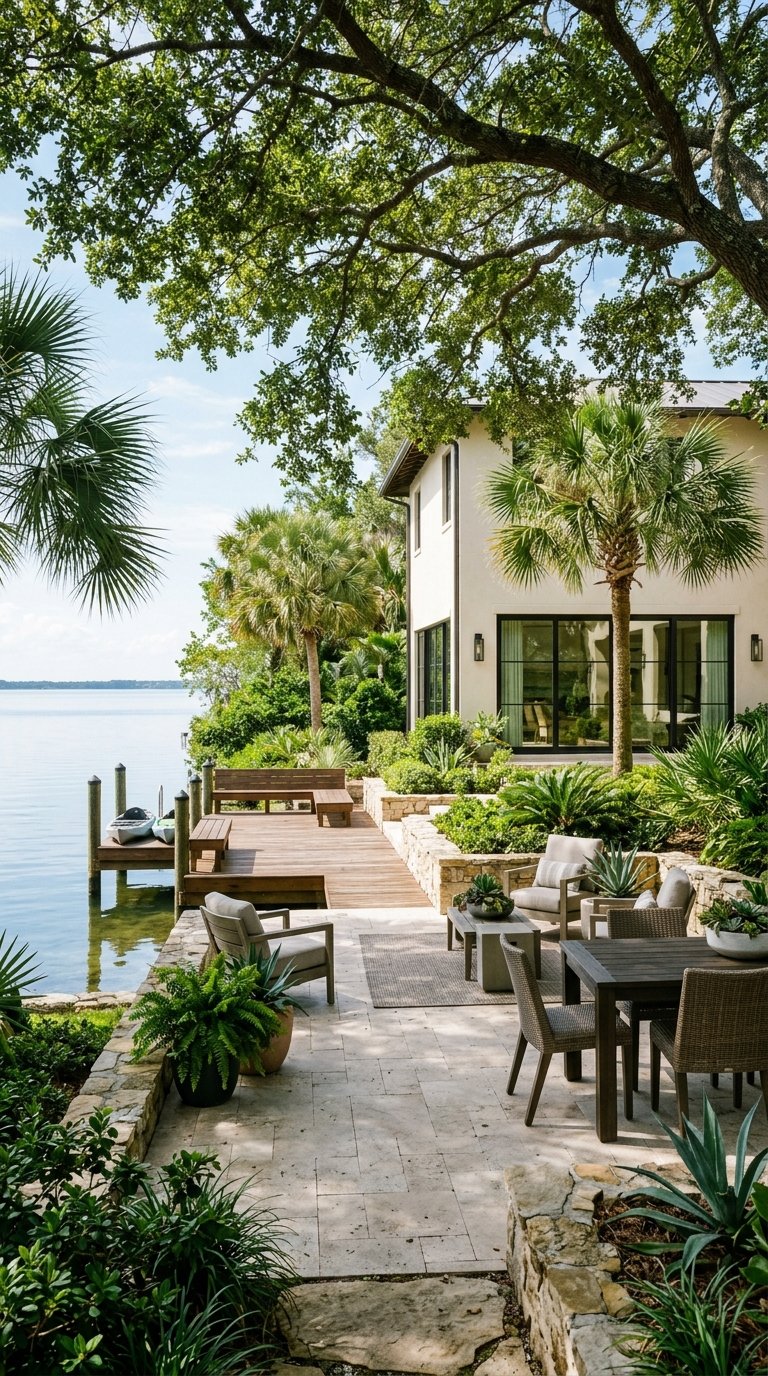
In Winter Park, the lakes are not just scenery. They are part of daily life and part of what makes the city feel distinct from other nearby areas. The city notes that the chain of lakes supports boating, skiing, angling, sailing, canoeing, and kayaking, which gives you a wide range of ways to enjoy the outdoors.
If being near the water matters to you, Winter Park offers practical access points as well as views. The city’s boating and lakes information highlights Dinky Dock Park for its fishing pier and boat ramp, while Lake Baldwin Park includes a sandy beach, pavilions, and a boat ramp for non-gas boats. The Winter Park Scenic Boat Tour is another popular way to experience the lake system and get a feel for the area from the water.
For buyers, this matters because lake access and lake lifestyle can shape how a neighborhood feels day to day. Even if you do not own a boat, living near this kind of outdoor setting can change how you spend your weekends and how connected you feel to the place.
Parks Add More Than Green Space
Winter Park also stands out for the depth of its park system. According to the city, there are 75 parks, including Central Park, Mead Botanical Garden, Kraft Azalea Garden, Ward Memorial Park, Lake Baldwin Park, Shady Park, and Martin Luther King, Jr. Park. That gives you a broad mix of spaces for walking, relaxing, gathering, and getting outside close to home.
This kind of park access often improves everyday livability in ways that are easy to overlook during a quick home search. It can mean easier morning walks, better spots to meet friends, or simple options for outdoor downtime without a long drive. When you are comparing areas in Central Florida, that convenience can make a meaningful difference.
Arts And Culture Feel Built In
Some cities have entertainment nearby. Winter Park has culture woven into daily life. The city’s Arts & Culture directory includes the Charles Hosmer Morse Museum of American Art, the Winter Park Playhouse, the Winter Park History Museum, the Winter Park Library, and the Winter Park Sidewalk Art Festival, along with public art displayed throughout the city.
Rollins College adds another layer to that atmosphere. The Rollins Museum of Art offers free admission, which makes high-quality arts access part of the local routine rather than a special occasion. The museum and the college setting help reinforce Winter Park’s thoughtful, established feel.
History also plays a visible role in the city’s character. The Downtown Winter Park Historic District runs along Park Avenue and is listed on the National Register of Historic Places. That helps explain why the area often feels distinct, layered, and more architecturally rooted than many newer suburban communities.
What Housing In Winter Park Looks Like
If you are home shopping here, expect a market with character and limited blank-slate land. Winter Park’s 2024 comprehensive plan says single-family homes made up 68.8% of dwelling units in 2021, while multifamily units made up 31.1%. The same plan notes that 58% of the housing stock was built between 1950 and 1980.
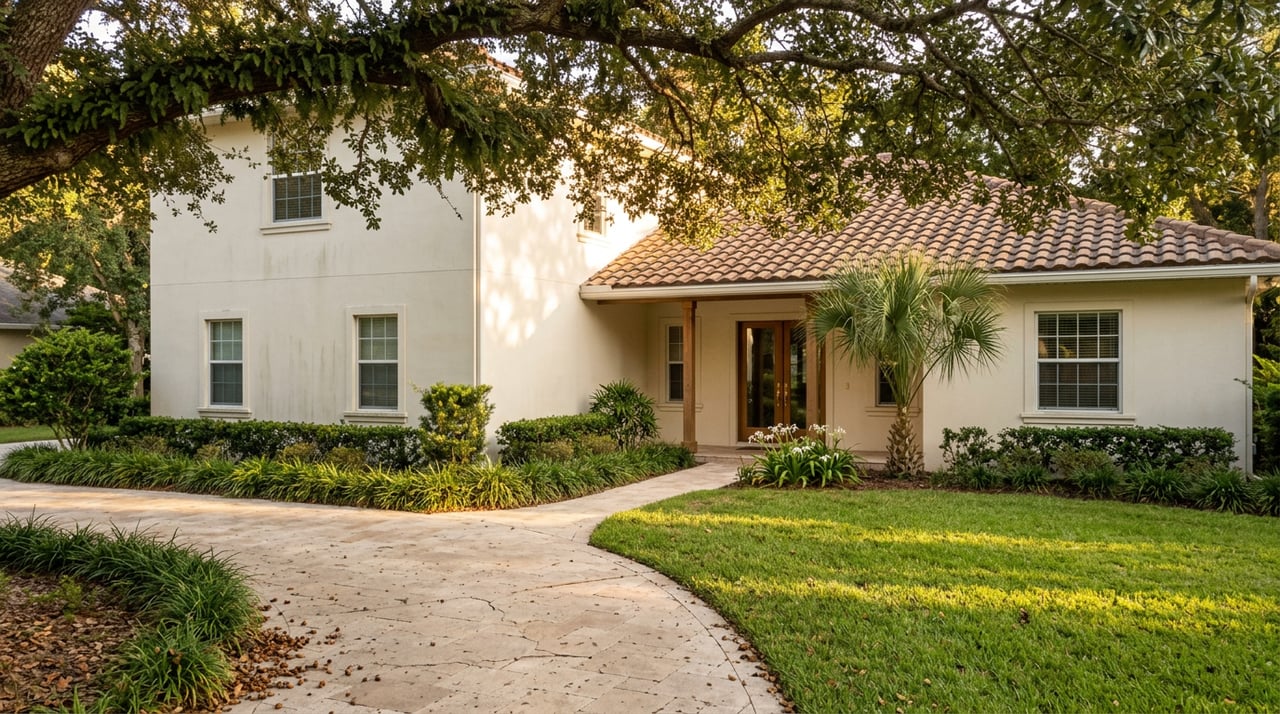
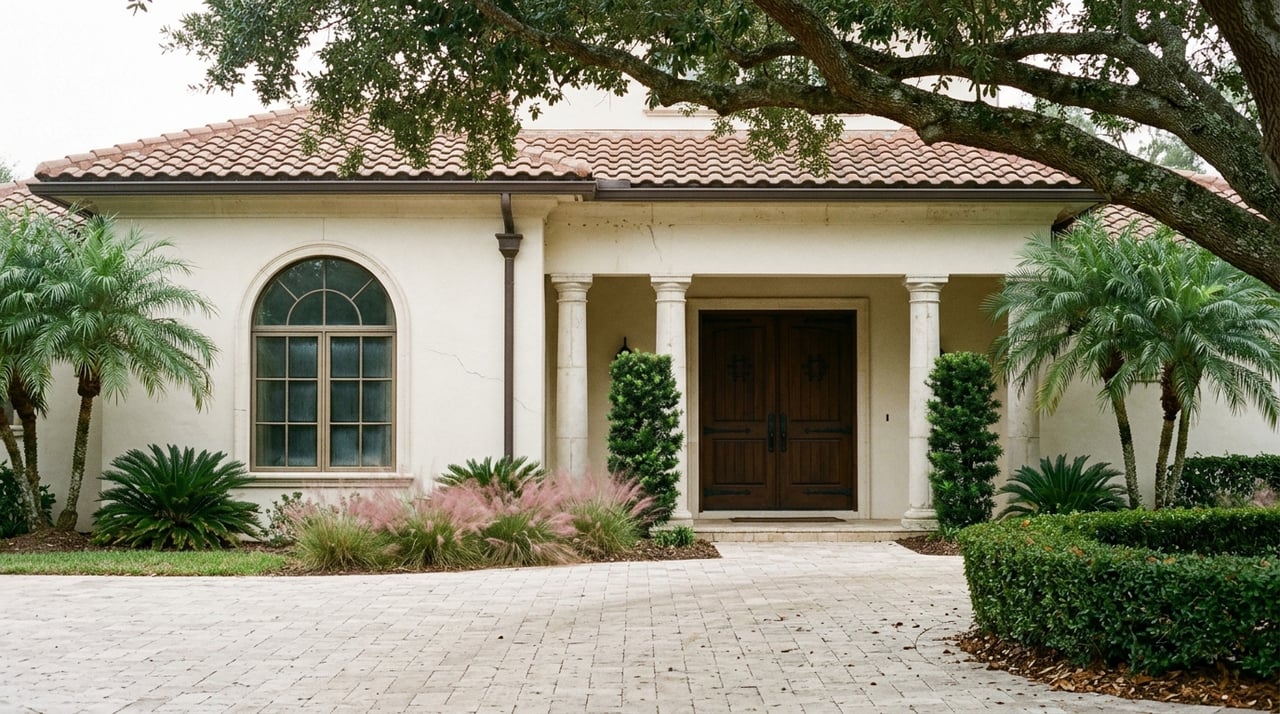
That older housing base gives the market a different texture than areas dominated by newer construction. The city’s housing materials note a mix that includes imposing estates, modest bungalow neighborhoods, and traditional 1920s-era neighborhoods, with more than 700 historic structures citywide. Because vacant land is limited, many newer homes come through infill development or replacement of older homes rather than large-scale expansion.
For you, that can mean more variety in architecture, lot size, renovation level, and price point from one block to the next. It also means that neighborhood guidance matters. In a market like Winter Park, two homes with similar square footage can offer very different lifestyle value depending on location, condition, and surrounding setting.
Prices Reflect The Location
Winter Park is not typically an entry-level market across the board. The U.S. Census QuickFacts reports a 2024 median owner-occupied home value of $731,400 and a median gross rent of $1,738. Those numbers reflect the city’s desirability, location, and established housing stock.
That said, the overall housing picture is more mixed than many people assume. The city points to affordable and workforce housing efforts through its Housing Division, the Winter Park Housing Authority, Habitat for Humanity partnerships, and the Hannibal Square Community Land Trust. So while Winter Park is often associated with higher home values, the local housing landscape still includes a range of living options.
Who Winter Park Often Appeals To
Based on the city and Census data, Winter Park tends to attract people who value a blend of character, convenience, and long-term livability. The community shows a relatively high ownership rate, strong income levels, and a large share of adults with bachelor’s degrees or higher. Those trends help explain why the city often appeals to established owner-occupants, professionals, downsizers, and buyers who want a more rooted feel close to Orlando.
Winter Park also works well for people who want more than a quiet residential setting. The city functions as a job center, not just a commuter suburb. Census data show a mean travel time to work of 22 minutes, and city employment analysis found more than 630 businesses and 3,976 employees on Park Avenue alone, with more jobs in the city than its local labor force would otherwise require.
If you want a place where home life, work access, dining, recreation, and culture can all overlap in practical ways, Winter Park offers that combination. It is one of the reasons the city continues to hold strong appeal for both local movers and relocating buyers.
Things To Consider Before You Move
No city is perfect for everyone, and Winter Park is no exception. If you prefer large master-planned communities, abundant new construction, or lower price points, you may need to weigh those priorities carefully. Winter Park’s charm often comes with older homes, renovation considerations, and pricing that reflects limited land and strong demand.
It also helps to think about your daily routine. Do you want quick access to downtown activity, cultural events, and established neighborhoods? Or are you looking for something newer, quieter, or more spread out? Answering those questions can help you decide whether Winter Park’s lifestyle is the right fit.
How To Approach A Home Search Here
A smart Winter Park home search usually starts with lifestyle, not just square footage. Before you tour homes, it helps to narrow down what matters most to you, such as walkability, lake access, historic character, condo convenience, or proximity to downtown. In a market with older housing and varied neighborhood patterns, those priorities can shape your options quickly.
It also helps to look closely at pricing and property condition. Infill construction, renovated older homes, and established single-family properties do not always compare neatly on paper. Working with a local team that understands valuation, resale potential, and neighborhood differences can help you make a more confident decision.
If you are thinking about buying or selling in Winter Park, Holt Real Estate can help you navigate the market with local guidance, responsive support, and pricing insight that keeps your goals front and center.
FAQs
What is daily life like in Winter Park, Florida?
- Daily life in Winter Park often centers around walkable areas like Park Avenue, access to parks and lakes, local dining, shopping, and a strong arts and culture scene.
Is Winter Park, Florida, a good place for outdoor living?
- Winter Park offers a chain of lakes for boating and paddling, plus 75 parks citywide, including well-known spots like Central Park, Mead Botanical Garden, and Kraft Azalea Garden.
What types of homes are common in Winter Park, Florida?
- Winter Park has a housing mix dominated by single-family homes, along with multifamily options, and many properties were built between 1950 and 1980.
Is Winter Park, Florida, known for arts and culture?
- Yes, Winter Park is known for museums, public art, theater, historic districts, recurring festivals, and the cultural presence of Rollins College.
Are home prices in Winter Park, Florida, higher than many nearby areas?
- Winter Park home values are relatively high, with the Census reporting a 2024 median owner-occupied home value of $731,400, reflecting the city’s location, character, and demand.