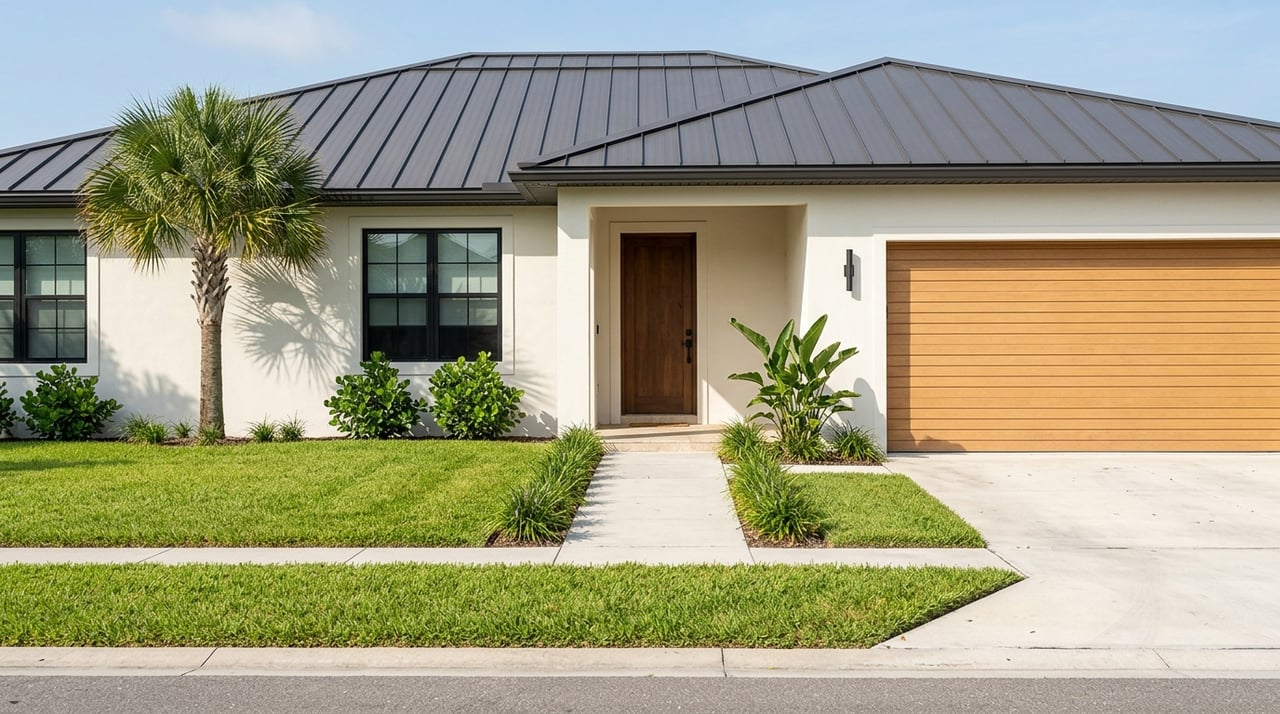
Wondering whether The Springs fits the way you want to live, not just the way you want to buy? That is the right question to ask in an established community like this one, where trees, amenities, rules, and home types can all shape your day-to-day experience. If you are thinking about a move to The Springs in Seminole, this guide will help you weigh the lifestyle, housing mix, commute realities, and resale factors that matter most. Let’s dive in.
What Makes The Springs Stand Out
The Springs is not a typical newer subdivision. It is a private Seminole County community of 878 homes with preserved common areas, private waterfront access, and a well-known natural spring. Community materials also describe it as Seminole County’s first planned unit development, formed in 1970 with an early focus on tree preservation and wildlife sanctuary planning.
For many buyers, that history matters. You are not just choosing a home here. You are choosing an established setting with mature trees, a strong sense of identity, and a layout shaped more by conservation-minded planning than by current new-build trends.
Who The Springs May Fit Best
The Springs can be a strong match if you want character over cookie-cutter design. Buyers who value mature landscaping, a quieter feel, and a neighborhood with amenities often see the appeal quickly.
It may also work well if you are comfortable with a structured association environment. The community offers maintained common areas, security, and organized amenities, but that comes with rules, approval processes, and fee obligations that should be part of your decision.
If your priority is very new construction, minimal restrictions, or the simplicity of one single HOA structure, this may not be the easiest fit. The Springs asks you to balance lifestyle benefits with governance details.
Home Types Vary More Than You May Expect
One of the most important things to know is that The Springs is not one uniform housing product. Historical community information describes the neighborhood as being roughly split among condominiums, cluster homes or townhomes, and single-family homes.
That mix gives you options, which is a plus for many buyers. At the same time, it also means two homes in The Springs can offer very different ownership experiences depending on the section, the sub-association, and the style of property.
Current community management information shows multiple village and condo sub-associations with different managers. In practical terms, that means fees, processes, and day-to-day expectations may vary by address, even within the same overall community.
Why The HOA Structure Matters
The HOA setup in The Springs deserves close attention before you make an offer. The community FAQ says association fees include property management, common area maintenance, and security.
Published rules and policies cover a wide range of topics, including leasing and tenant requirements, pool facilities, racquet club facilities, stable facilities, RV parking, bicycles and golf carts, parking and garages, animal control, architectural review, access, and collections or fines. That tells you this is a highly managed community, not a hands-off one.
There is also layered governance. A community newsletter states that the master association operates under Florida Statute 720, while condo sections fall under 718 and cluster homes under 720, with separate boards and additional annual assessments in some condo and cluster-home sections.
That complexity is not necessarily a negative. For some buyers, professional administration through Castle Group and clearly defined rules can feel reassuring. Still, it does mean you should verify the exact sub-association, current assessments, and rules tied to the specific property you are considering.
Amenities Come With Tradeoffs
The amenities are part of what makes The Springs attractive. Community materials reference private waterfront access and the natural spring, and the published rules show amenity categories such as pool, racquet club, and stable facilities.
For buyers who want a community with built-in lifestyle features, that can be a real advantage. Amenities and common-area upkeep often support the distinct identity that helps a neighborhood stand apart from more generic alternatives.
The tradeoff is simple: amenities need funding, management, and compliance. A community newsletter noted that about 93% of total income in the 2020 budget came from annual assessments, with a budget of about $1.7 million. That is a useful reminder that dues are central to how The Springs maintains its shared spaces and services.
Commute Reality Matters Here
If you work outside the neighborhood or make frequent trips for shopping and daily errands, commute pattern matters as much as map distance. Altamonte Springs planning documents describe the area’s transportation network as being shaped by I-4, SR 436, and SR 434, with major activity centers around those corridors.
That means your experience can vary a lot depending on when you leave and where you are headed. A short drive on paper may feel much different during a weekday rush period.
If The Springs is on your list, do a test drive during your actual travel window. That one step can give you a clearer answer than any online map estimate.
What To Expect From The Homes
Because The Springs dates to 1970, you should expect resale homes with a broad range of updates and condition levels. Altamonte Springs planning information says much of the city’s single-family housing stock was built before 1990, with a large share dating to the 1970s.
That age can be a strength when you want established streets and mature landscaping. It can also mean more variation from one home to the next than you would find in a newer development.
Some homes may be extensively renovated. Others may still reflect older systems, finishes, or layouts. In a community like this, condition can have a major impact on both your immediate costs and your long-term resale position.
Inspection Points To Watch Closely
When you are evaluating a home in The Springs, a careful inspection process matters. Older housing stock often makes the details more important than the floor plan alone.
Pay close attention to:
- Roof age and condition
- HVAC age and performance
- Window condition and efficiency
- Drainage around the home
- Interior updates and overall maintenance
These factors can influence comfort, future expenses, and resale appeal. In an established neighborhood, the best value is not always the lowest list price. It is often the home whose condition and pricing line up most clearly.
Flood And Stormwater Due Diligence
Flood review should be part of your checklist before you commit. The City of Altamonte Springs says it maintains elevation certificates, maps FEMA flood zones, and notes that most homeowners insurance policies do not cover flood damage.
Seminole County also warns that inland flooding can occur during heavy storms. That means flood due diligence is not just for waterfront properties or homes that look close to water.
Before closing, confirm the property’s flood-zone status and ask the right insurance questions early. It is much better to understand that cost and risk picture up front than to discover it late in the process.
Resale Potential In An Established Market
Altamonte Springs describes itself as effectively built out, with redevelopment focused around major corridors. For buyers, that matters because nearby competition is often other established homes rather than a constant wave of new construction.
That can support demand for neighborhoods with strong identity and mature surroundings. It also means pricing needs to reflect the real differences between homes, including updates, condition, location within the community, and sub-association structure.
Seminole County Property Appraiser tools can help verify parcel details, sales history, GIS information, and tax estimates. When you are comparing homes in a community with mixed property types, that kind of valuation check is especially useful.
Questions To Answer Before You Buy
If you are seriously considering The Springs, slow down long enough to answer a few practical questions. The right home here is not just about square footage.
Ask yourself:
- Do you want an established, nature-forward setting more than a newer-home feel?
- Are you comfortable with HOA oversight and published rules?
- Have you reviewed the exact sub-association tied to the property?
- Do the fees and amenity access match your priorities?
- Have you tested the weekday commute at the times you will actually travel?
- Have you reviewed flood-zone status, insurance implications, and home condition carefully?
The clearer your answers, the easier it becomes to tell whether The Springs is truly the right move for your next chapter.
The Bottom Line On The Springs
The Springs offers something many buyers still want but cannot always find easily: an established Seminole County community with mature trees, distinctive identity, varied housing choices, and meaningful amenities. For the right buyer, that combination can feel special.
At the same time, this is a neighborhood where the details matter. The specific home, sub-association, rule structure, condition, and commute pattern can all shape whether your experience feels seamless or frustrating.
If you want help weighing those details with a local, valuation-minded perspective, Holt Real Estate can help you compare options, understand pricing, and move forward with confidence.
FAQs
Is The Springs in Seminole a good fit for buyers who want a natural setting?
- The Springs may be a strong fit if you value mature trees, preserved common areas, private waterfront access, and a neighborhood identity shaped by conservation-focused planning.
Does The Springs have different types of homes?
- Yes. Community information describes a mix of condominiums, cluster homes or townhomes, and single-family homes, so the ownership experience can vary by property type and section.
Do buyers in The Springs need to review HOA rules carefully?
- Yes. Published community policies cover topics like leasing, parking, architectural review, amenity use, and other day-to-day rules, so reviewing them before you buy is important.
Why does the sub-association matter in The Springs?
- Different villages and condo sections can have separate management, boards, fees, and processes, which means two homes in The Springs may come with different obligations and oversight.
Should buyers test the commute from The Springs before making an offer?
- Yes. Because the area’s traffic flow is tied closely to I-4, SR 436, and SR 434, a real test drive during your normal travel time can give you a more accurate picture than distance alone.
What should buyers inspect closely in homes at The Springs?
- Focus on roof age, HVAC, windows, drainage, and the level of interior updating, since homes in this established community can vary widely in condition.
Do buyers in The Springs need to check flood-zone information?
- Yes. The City of Altamonte Springs maps flood zones and notes that most homeowners insurance policies do not cover flood damage, so flood due diligence should be part of your review.
How can buyers evaluate pricing in The Springs accurately?
- Comparing condition, property type, sub-association context, and Seminole County Property Appraiser data can help you judge whether a home is priced appropriately for what it offers.