Wondering what kind of home really fits your life in Winter Park? That question matters more than it might seem, because this market includes everything from historic bungalows with original details to mid-century ranch homes, townhomes, and newer builds with a very different upkeep profile. If you are trying to balance charm, layout, maintenance, and budget in Winter Park Pointe and the broader Winter Park area, this guide will help you understand the main home styles and what they can mean for your day-to-day ownership. Let’s dive in.
Why Winter Park has such variety
Winter Park was planned in 1881 as a railroad-era community with a business district, central park, and a street plan that still shapes the city today. That long history helps explain why the housing stock feels layered rather than uniform.
The city’s preservation program reports more than 700 historic structures in Winter Park, and the city also notes that its housing stock is older overall than Orange County’s. At the same time, most homes were built between 1950 and 1980, and planning documents point toward a larger share of multifamily construction in newer housing. In practical terms, that means you can still find early character homes, but mid-century and newer options are also an important part of the market.
Historic bungalows in Winter Park
Historic bungalows are often the first style people picture when they think about older Winter Park homes. These properties can offer a strong sense of place, especially in areas the city survey connects with bungalow-era development such as College Place and Hannibal Square.
What a bungalow usually looks like
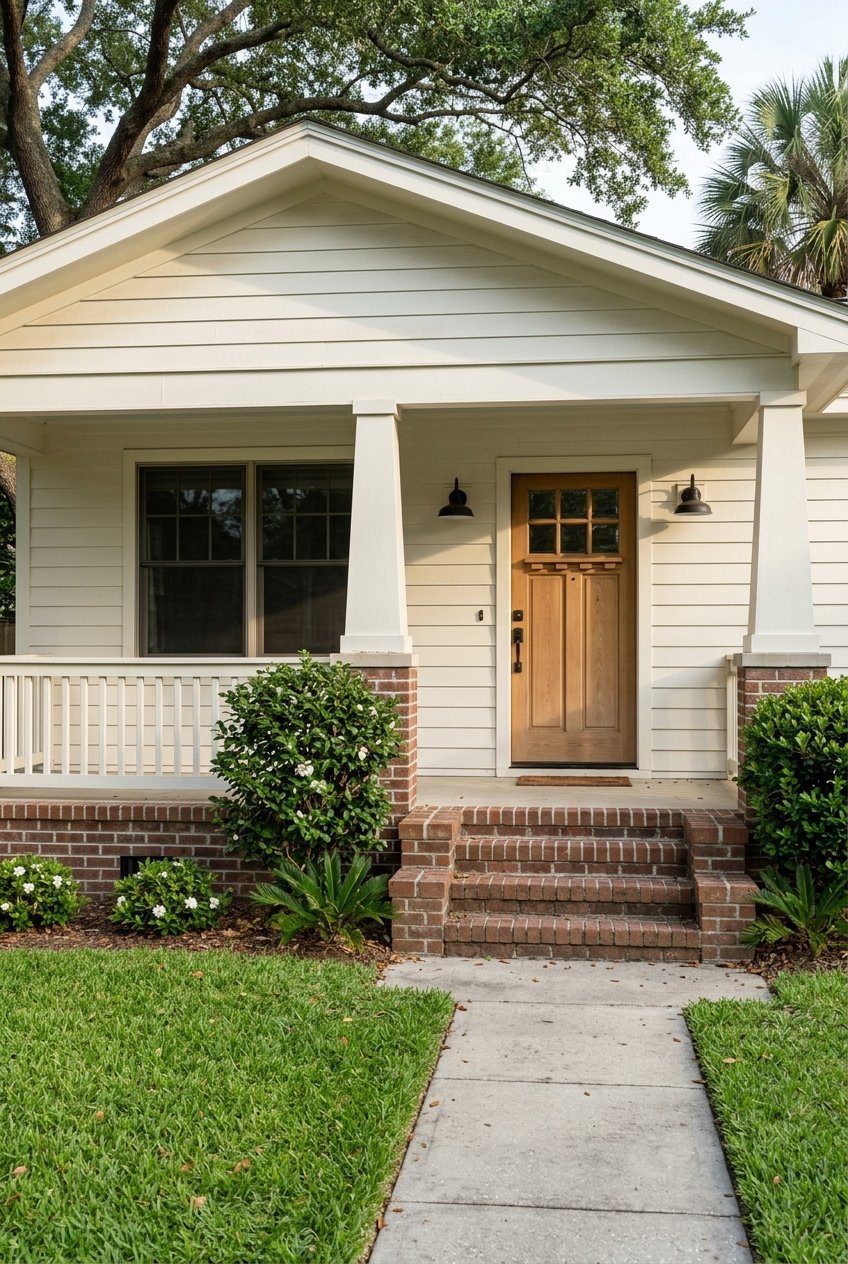
In Winter Park, a typical bungalow is one or one-and-a-half stories with a shallow roof, a front porch, and often dormers. Some also include inset porches or exposed rafters, which add to the handcrafted look many buyers love.
Inside, older bungalows may include original heart pine floors, cypress paneling, built-ins, and period fixtures. Those details are a big part of the appeal, especially if you want a home with personality that does not feel like every other listing on the market.
What buyers should consider
The same charm that draws buyers in can also mean more careful ownership. Historic homes often ask more from you when it comes to maintenance, repair choices, and renovation planning.
If a home is in a historic district, Winter Park says exterior alterations are reviewed for compatibility, while interior remodeling is not reviewed. The city also says new construction in a historic district does not have to copy historic architecture, but it should respect the surrounding pattern through elements like height, materials, roof form, massing, setback, and opening rhythm.
Who this style fits best
A bungalow may be a good fit if you value character over perfect efficiency and do not mind a little extra stewardship. For many buyers, the front porch, original materials, and established setting are worth the tradeoff.
Other prewar home styles
Winter Park’s older homes are not all bungalows. The city’s architectural survey identifies Colonial Revival, Spanish Colonial, Mediterranean Revival, and Mission Revival among the most prevalent styles from 1904 to 1930.
Colonial Revival homes
Colonial Revival homes tend to feel more formal than bungalows. They are usually symmetrical, often two stories, with a centered front door and porch.
If you like a traditional layout and a more structured exterior look, this style may appeal to you. These homes can feel quite different from a cozy bungalow even if both came from the same broad prewar era.
Mediterranean and Spanish-influenced homes
Mediterranean Revival and Spanish Colonial homes often feature stucco walls, tile roofs, arched openings, and decorative tile. In a Florida setting, those materials and forms can create a distinct look that feels both classic and regionally appropriate.
From a buyer’s perspective, these homes stand out for style, but they also come with their own maintenance considerations. Roof materials, stucco condition, and original architectural features may all deserve closer attention during your home search.
Mid-century and postwar homes
If you want an older home without quite as much ornament or preservation sensitivity, mid-century and postwar homes deserve a close look. This is especially important in Winter Park because the city says homes from the 1950s, 1960s, and 1970s make up the bulk of the housing stock.
What mid-century layouts offer
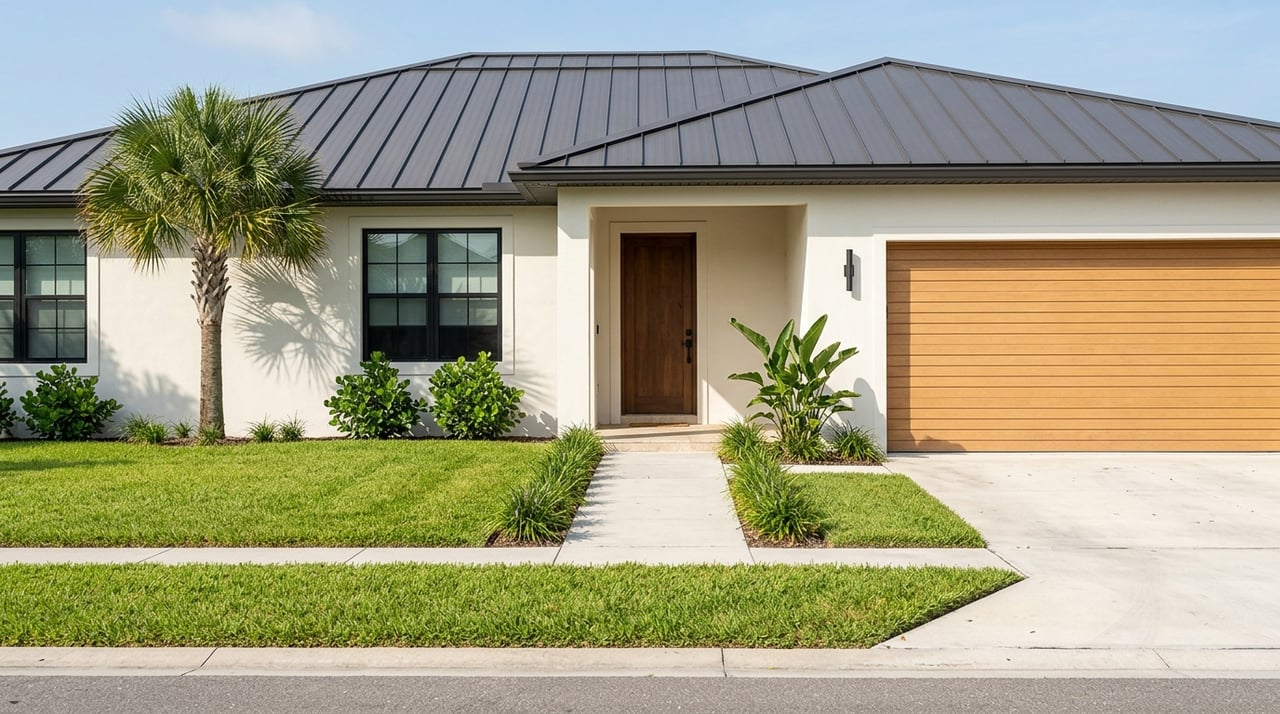
The classic ranch house became especially popular in the 1950s. It is typically one story, long and shallow in shape, with a low-pitched roof, deep eaves, large picture windows, sliding glass doors, and a garage or carport at one end.
Inside, these homes often center around an open living and dining area, an eat-in kitchen, and a more casual plan with fewer formal rooms. If you prefer simpler flow and easy one-level living, this era can be very appealing.
What upkeep tends to involve
With mid-century homes, maintenance often shifts away from decorative trim and toward the larger visible components. Buyers should pay attention to roof planes, window condition, sliding doors, patios, and carports.
That does not necessarily make these homes maintenance-free. It does mean the conversation is often different from what you would have with a 1920s bungalow or revival-style home.
Townhomes and newer builds
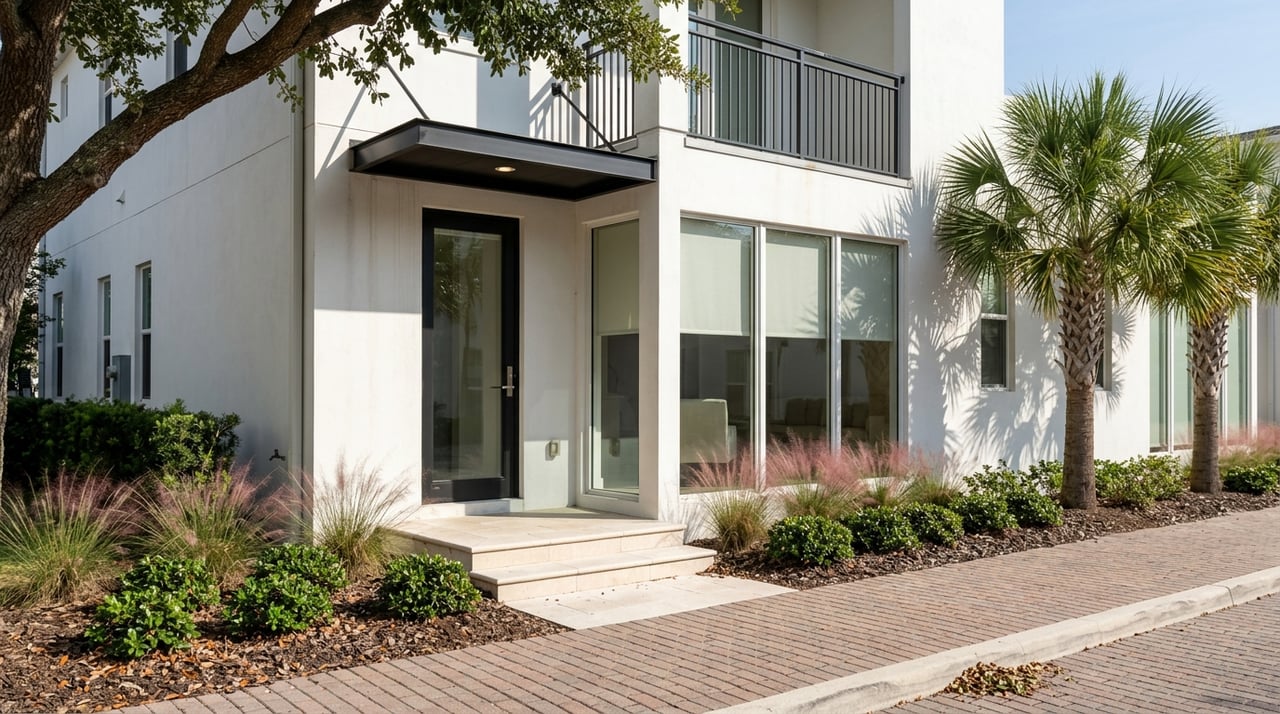
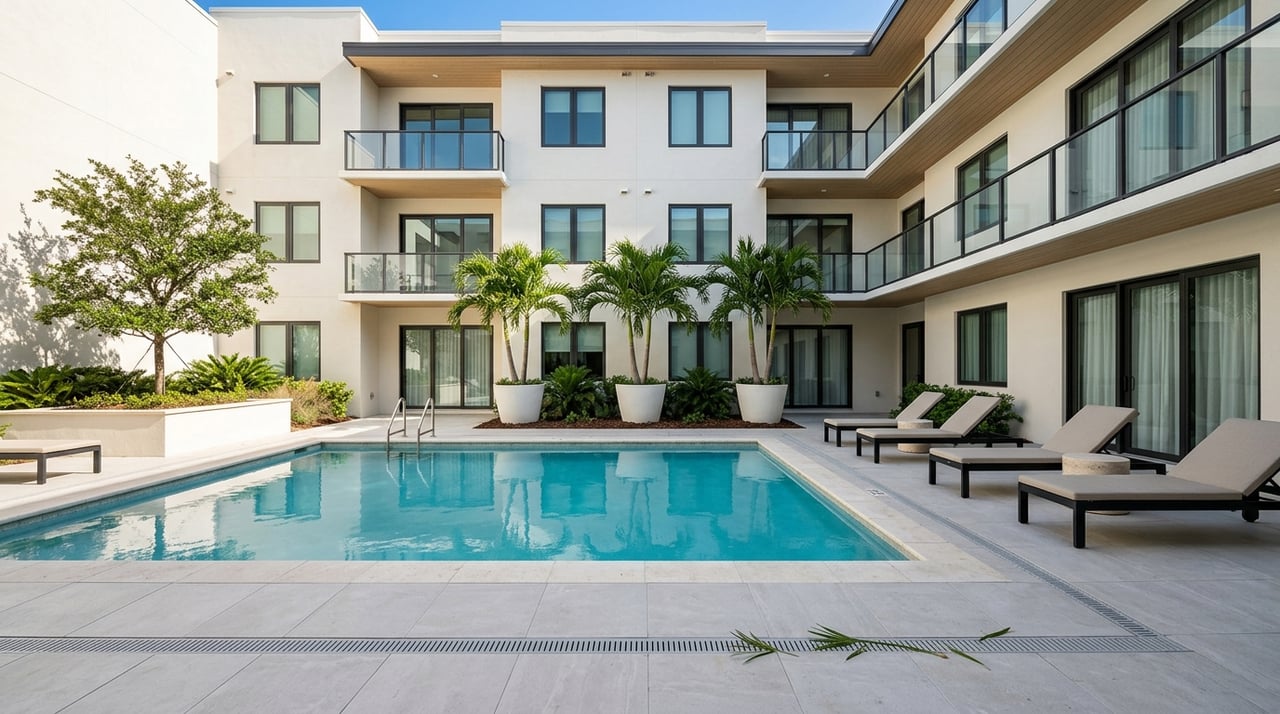
For buyers who want lower day-to-day maintenance or more current construction standards, townhomes and newer homes are active parts of the Winter Park market. Listing portals show both townhome inventory and new-construction listings in the city, while city planning documents suggest multifamily housing will make up a larger share of future new construction.
Why newer homes attract buyers
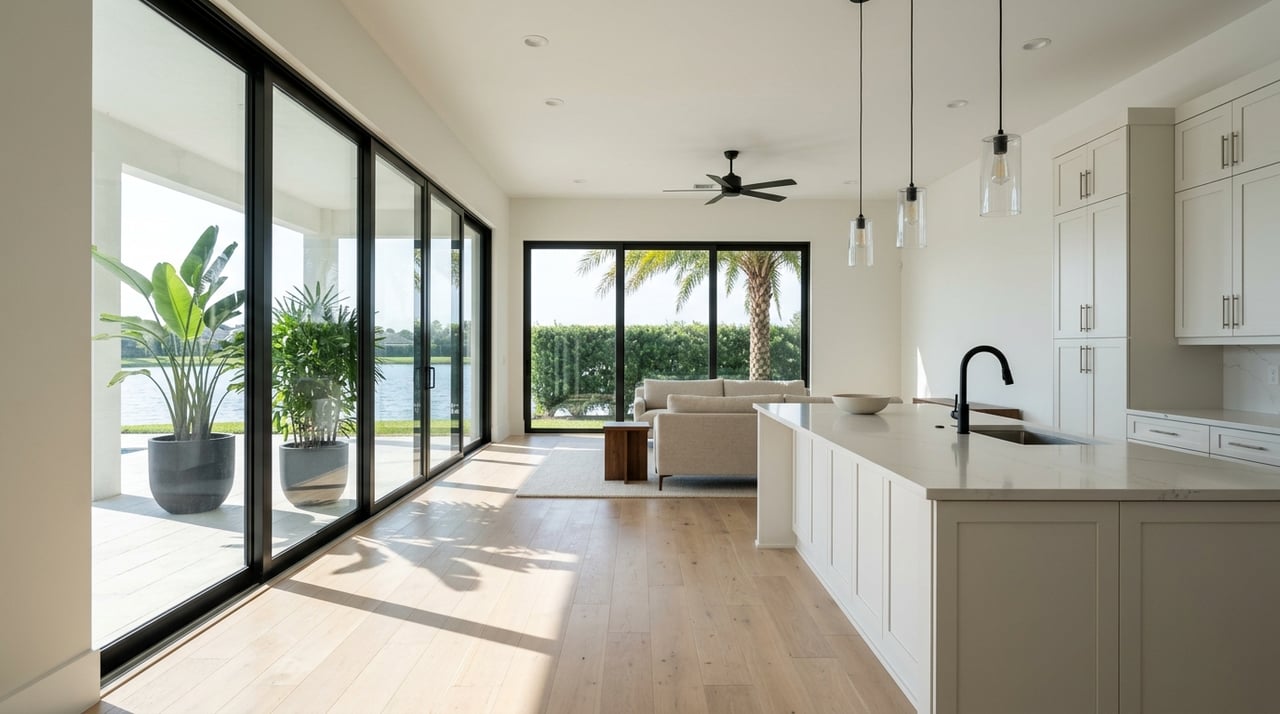
Newer construction often appeals to buyers who want a more predictable maintenance profile. In many cases, you may find more contemporary layouts, updated systems, and finishes that require less immediate attention than a much older home.
This can be especially attractive if you are relocating, buying your first home in the area, or simply want a more turnkey option. It can also make sense if your schedule leaves little room for ongoing repair projects.
New construction in historic areas
If a new home or townhome is located in a historic district, Winter Park says new construction is allowed. It does not have to imitate older architecture, but it should complement the district by reflecting patterns such as height, materials, roof form, massing, setback, and opening rhythm.
That is helpful context if you like the location of a historic area but prefer newer construction. You may be able to find a home that feels more current while still fitting into the surrounding streetscape.
How to compare home styles
When you tour homes in Winter Park Pointe or nearby parts of Winter Park, it helps to compare each property through three simple lenses: layout, maintenance, and resale audience. Looking at homes this way can keep you grounded when several very different properties are competing for your attention.
Think about layout first
Ask yourself how you actually live. A bungalow may offer warmth and charm, while a ranch may give you easier one-story living and a more open common area.
A newer build or townhome may offer the most current flow, especially if you want less compartmentalized space. There is no universal best choice, only the one that fits your routine and priorities.
Be honest about maintenance tolerance
Historic bungalows and estate-era homes tend to offer the most character, but they also come with the most preservation sensitivity. Mid-century homes usually reduce ornament, though original windows, roof forms, and other defining features still deserve attention.
Townhomes and newer builds often shift you toward easier day-to-day maintenance and code-driven construction. If you know you do not want a long repair list, that clarity can save you time and stress.
Keep resale in mind
Different home styles often attract different future buyers. A well-kept bungalow may appeal strongly to buyers who value character, while a ranch may attract those looking for simpler living and broader usability.
Newer homes and townhomes may draw buyers who prioritize convenience and lower upkeep. Thinking ahead like this can help you choose a property that supports both your current lifestyle and your long-term goals.
Why pricing can vary so much
If you have looked at Winter Park price data and felt confused, you are not alone. Current market pages show very different figures, including an average home value of $465,527, a median list price of $492,167, a median listing price of $565.5K, and a median sale price of $790,000, depending on the source and method used.
The key point is that these numbers are directional, not interchangeable. In a market with historic homes, mid-century stock, townhomes, and new construction, style, location, district, and condition can all change what your budget buys.
That is why broad averages only go so far in Winter Park. A pricing conversation usually becomes much more useful when it is tied to a specific home style, condition level, and part of the market.
A note on historic district concerns
Some buyers hesitate when they hear a home is in or near a historic district. In Winter Park, the city says there are no fees for historic designation or for design review or variances tied to alterations and additions, and historic designation is not a consideration when setting property valuations.
The city also says preservation can help guard against incompatible new construction while maintaining neighborhood character. For some buyers, that added context makes a historic area feel more approachable and less intimidating.
If you are trying to choose between a historic bungalow, a mid-century ranch, or a newer townhome in Winter Park Pointe or nearby, the best next step is to match the home’s era and style to your budget, upkeep comfort, and long-term plans. That is where local market knowledge and pricing insight can make the decision feel much clearer. When you are ready for tailored guidance, connect with Holt Real Estate for a high-touch, valuation-informed approach to your Winter Park home search.
FAQs
What home styles are common in Winter Park, Florida?
- Winter Park includes historic bungalows, Colonial Revival homes, Mediterranean and Spanish-influenced homes, mid-century ranch homes, townhomes, and newer construction.
What defines a Winter Park bungalow?
- A Winter Park bungalow is typically one or one-and-a-half stories with a shallow roof, front porch, dormers, and sometimes inset porches or exposed rafters.
Are most Winter Park homes historic?
- No. Winter Park has a notable historic housing presence, but the city says most of its housing stock was built between 1950 and 1980.
What should buyers know about historic districts in Winter Park?
- The city says exterior alterations in historic districts are reviewed for compatibility, interior remodeling is not reviewed, and there are no fees for historic designation or related design review and variances.
Are newer homes and townhomes available in Winter Park?
- Yes. Current listing activity shows both townhomes and new-construction homes in Winter Park, and city planning documents point toward more multifamily growth in future housing.
Why do Winter Park home prices vary so much?
- Winter Park price figures vary because different sources use different measures, and because home style, condition, and location can have a major impact on value in this market.